About

On August 7, 2024, the California State Assembly and Senate passed Assembly Resolution HR114 and Senate Resolution SR102, officially declaring November 22 as California Kimchi Day. The date mirrors South Korea’s own national observance, established in 2020 to spotlight kimchi’s cultural roots and rising global influence.

This effort, led by Senator Dave Min and championed by members of the Asian & Pacific Islander Legislative Caucus—including Assemblymembers Mike Fong, Stephanie Nguyen, Phil Ting, and Al Muratsuchi—the effort brought together state leaders, cultural advocates, and community members in a shared celebration of Korean heritage.

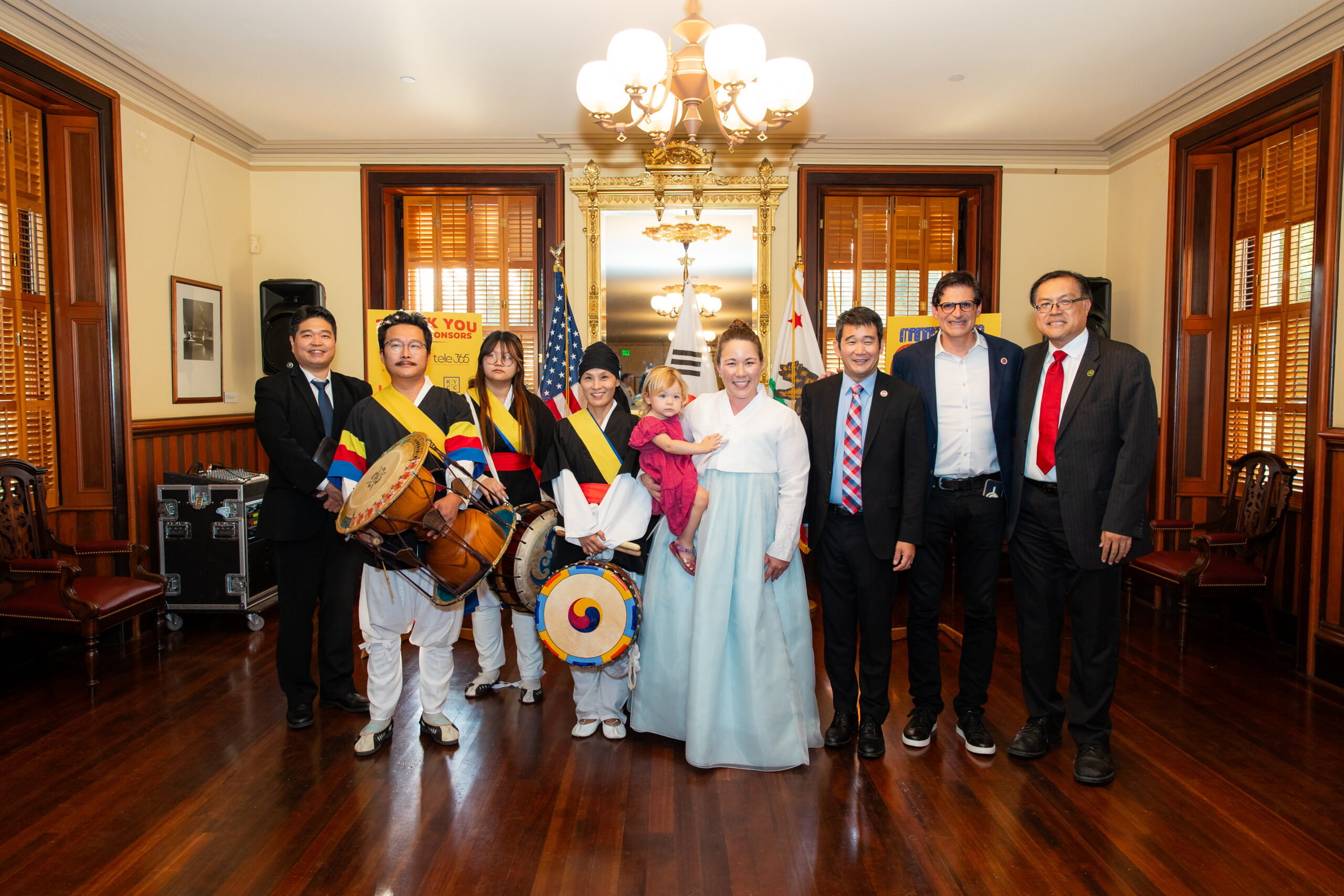

California Kimchi Day honors more than just a dish. It uplifts the resilience and vibrancy of the Korean American community while recognizing kimchi’s growing role in conversations around health, wellness, and culinary tradition.

Home to over 500,000 Korean Americans, California boasts the largest Korean population in the United States. The establishment of Kimchi Day reflects the state’s broader commitment to celebrating diversity and deepening cross-cultural understanding.

“It was the embodiment of everything I was led to feel ashamed of about my own culture. It was a stinky food… that everyone made fun of. Gross, yuck, those were the terms I heard.”

 — Senator Dave Min

History

2021

Initial recognition of Kimchi Day in California

2023
  • First Kimchi Day Celebration held at the Historic Leland Mansion
  • First Kimjang community event held in partnership with SoCalGas
2024

Official designation passed; celebration held at the Leland Stanford Mansion

Culture

A staple of Korean cuisine, kimchi carries a cultural inheritance shaped by history, necessity, and collective memory. For centuries, Korean families have come together in the fall to make and preserve kimchi through kimjang, an annual ritual that historically ensured communities could survive the harsh winters. That process wasn’t just about food; It was a form of mutual care and knowledge sharing.

In the diaspora, kimchi has taken on new layers of meaning. For Korean Americans, it’s a sensory link to identity and ancestry, a reminder that culture can be carried, adapted, and celebrated across borders. The smell of fermenting cabbage in a garage fridge. The stained gloves from mixing gochugaru and garlic by hand. These are ordinary details that speak to something bigger.


Food & Recipes

Want to Make Kimchi?

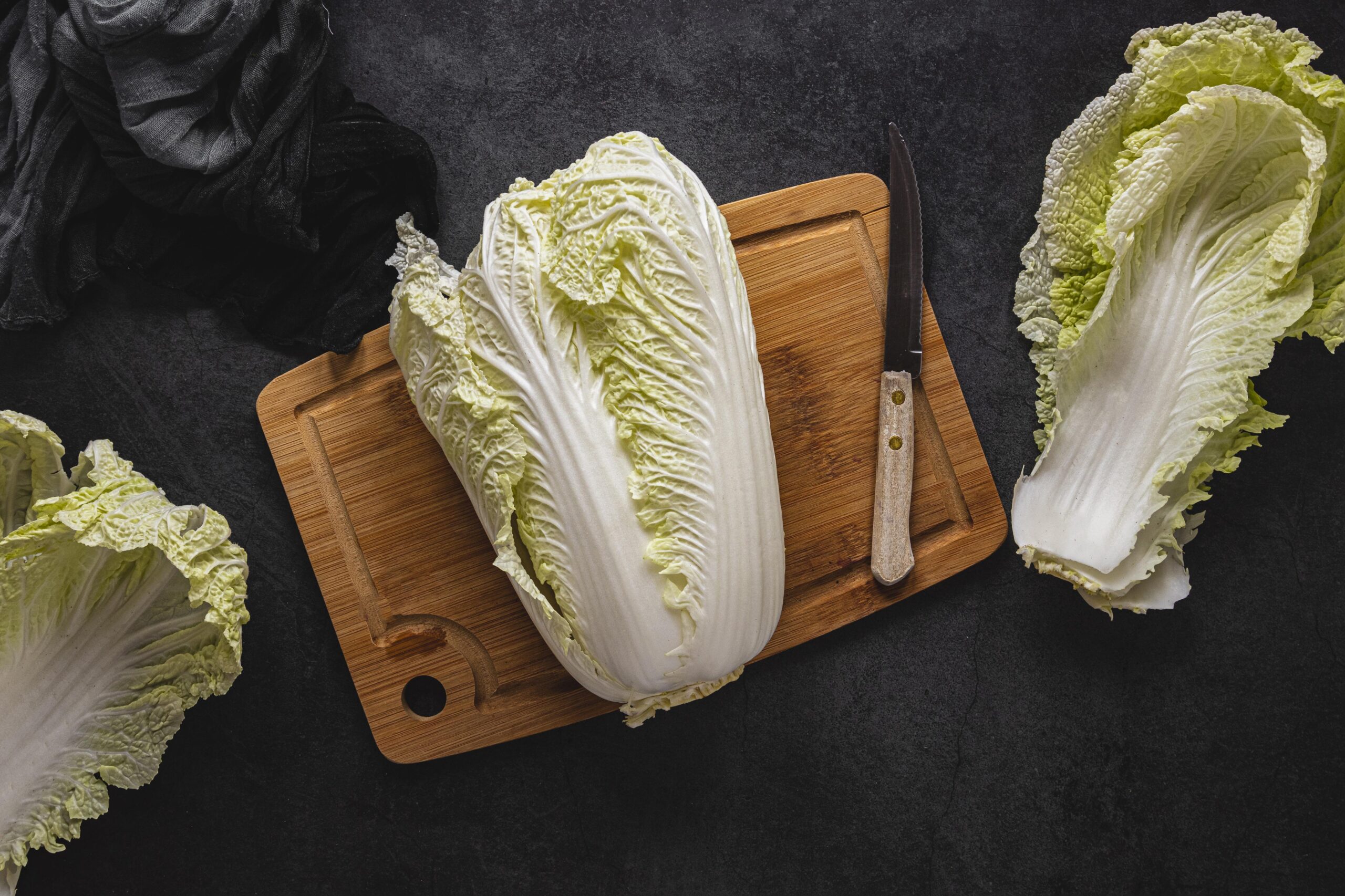
Traditional kimchi is made with napa cabbage, radish, garlic, ginger, Korean chili flakes (gochugaru), and fermented with care. The result? A tangy, probiotic-rich dish packed with vitamins and flavor.